
A translation that reads perfectly well isn't automatically acceptable to a UAE court, notary, or government entity. Legal recognition depends on who did the translating, not how accurate the wording turns out to be — and that distinction catches out a lot of people submitting foreign documents for the first time.
Who's actually allowed to certify one
Under Cabinet Resolution No. 7 of 2014, certified legal translation in the UAE has to be completed by a translator specifically licensed by the UAE Ministry of Justice. This isn't a matter of fluency or professional background — a bilingual lawyer, a native speaker, or even a professional translator without MOJ licensing can't produce a translation with legal standing in the UAE, no matter how accurate it is.
What makes a translation "certified"
A certified translation carries the licensed translator's official stamp and signature, along with an affidavit confirming the translation's accuracy. Submissions typically go from the foreign language into Arabic, or from Arabic into another language if the document is headed abroad. Missing the stamp, the signature, or the accompanying affidavit is enough for a court or authority to reject the document outright, even if every word of the translation itself is correct.
Where certified translation is actually required
Foreign-issued, non-Arabic documents being submitted to UAE Courts, the Ministry of Justice, notaries, or immigration services generally require certified translation into Arabic. Uncertified translations aren't given enough legal weight for these purposes and are routinely rejected — not flagged for review, rejected outright, which means the delay of redoing it falls entirely on whoever submitted it the first time.
Commonly affected document categories include:
- Personal documents — birth certificates, marriage certificates, divorce decrees, academic transcripts.
- Corporate documents — company registration papers, financial statements, board resolutions.
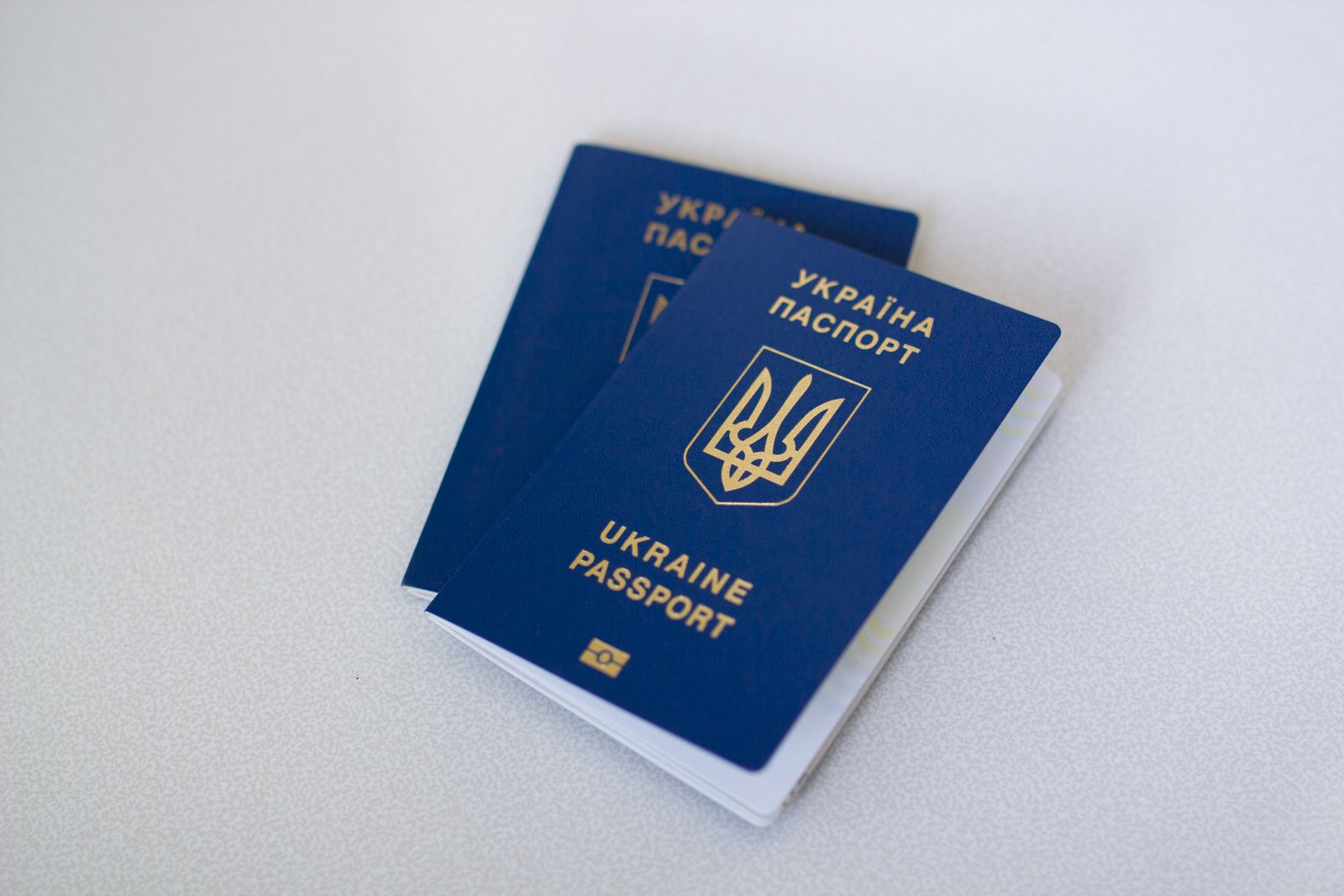
- Immigration documents — passports, visas, and residency permits submitted as supporting evidence.
Where it fits alongside attestation
Certified translation and MOFA attestation are separate requirements that often apply to the same document — a foreign birth certificate, for instance, may need both a certified Arabic translation and full attestation before a UAE authority will accept it. Handling one without the other is a common reason a submission bounces back for a second round.
The translation being correct was never the question. Whether it came from someone the UAE recognizes as authorized to produce it — that's what determines whether it's accepted.
We coordinate translation and attestation together
Documents that need both certified translation and attestation move through in the right order, the first time.
Book a consultationSources
Certification requirements reflect Cabinet Resolution No. 7 of 2014 governing legal translators licensed by the UAE Ministry of Justice, and standard requirements for submissions to UAE courts and government entities. Confirm current requirements for your specific document and destination authority before submitting.