
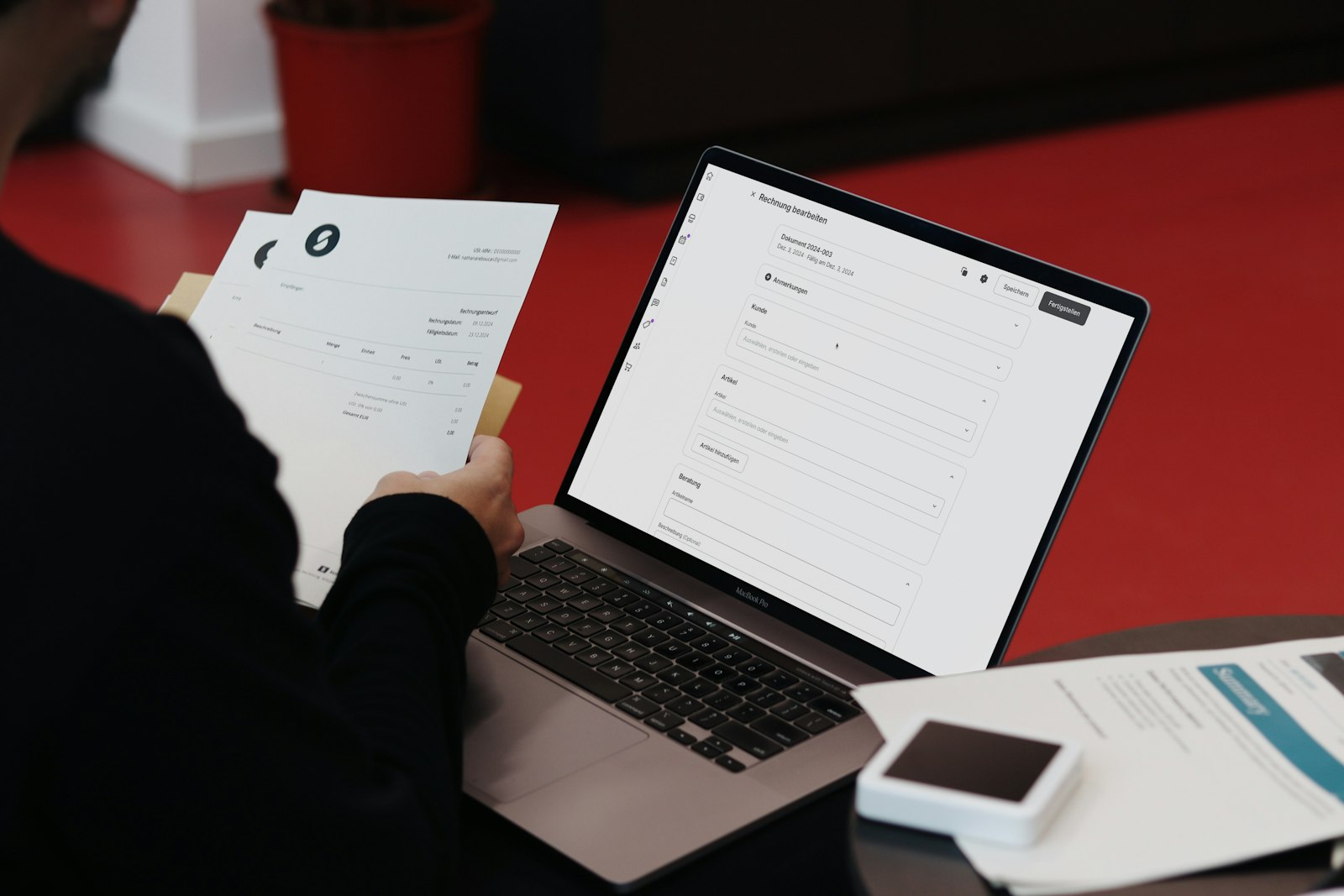
The UAE's national Electronic Invoicing System is a real operational change, not a cosmetic one — a PDF or scanned invoice won't satisfy it. Businesses will need to issue and report structured invoice data electronically, through an Accredited Service Provider, on a timeline that's already fixed. We handle the parts of that transition most businesses underestimate: getting the underlying data clean, and getting the right provider in place, before the deadline forces the issue.
What's included
- Systems & readiness assessment — we review your current accounting software and invoicing workflow against what the new framework actually requires.
- VAT and customer data cleanup — the most common cause of rejected or delayed invoices once reporting goes live is inconsistent VAT and customer master data. We clean it up before it becomes a live problem.
- Accredited Service Provider selection & onboarding — we help you choose an ASP suited to your systems and transaction volume, and manage the onboarding directly.
- A rollout plan matched to your deadline — 1 January 2027 for businesses above AED 50 million revenue, 1 July 2027 for businesses below it.
Who this is for
Any UAE business currently invoicing by PDF, spreadsheet, or a system that doesn't yet support structured electronic reporting — which, today, is most businesses. The earlier you start, the more this is a planned systems upgrade rather than a last-quarter scramble.
Want the full deadline breakdown first?
Our detailed guide covers exactly what counts as a compliant eInvoice, the B2B and B2G scope, and the phased dates in full.
Read the eInvoicing guideFrequently asked questions
Mandatory implementation begins in phases. Businesses with annual revenue above AED 50 million must implement from 1 January 2027, while businesses below AED 50 million annual revenue are scheduled to implement from 1 July 2027.
No. The Ministry of Finance states that PDF files, Word documents, images, scans and emails are unstructured formats and are not considered eInvoices by themselves — they need to be issued and reported as structured data through an Accredited Service Provider.
An Accredited Service Provider (ASP) facilitates the electronic exchange and reporting process required under the UAE eInvoicing framework. Businesses subject to the regime are required to appoint one — we handle the selection and onboarding as part of this service.
We assess your current accounting system and invoicing workflow, clean up VAT and customer master data (a common source of rejected invoices once reporting goes live), then select and onboard an Accredited Service Provider suited to your systems and volume.
Yes. Data cleanup and system changes take longer than most businesses expect, and ASP onboarding queues tend to lengthen as the deadline approaches. Starting now avoids a scramble in the final months before your implementation date.