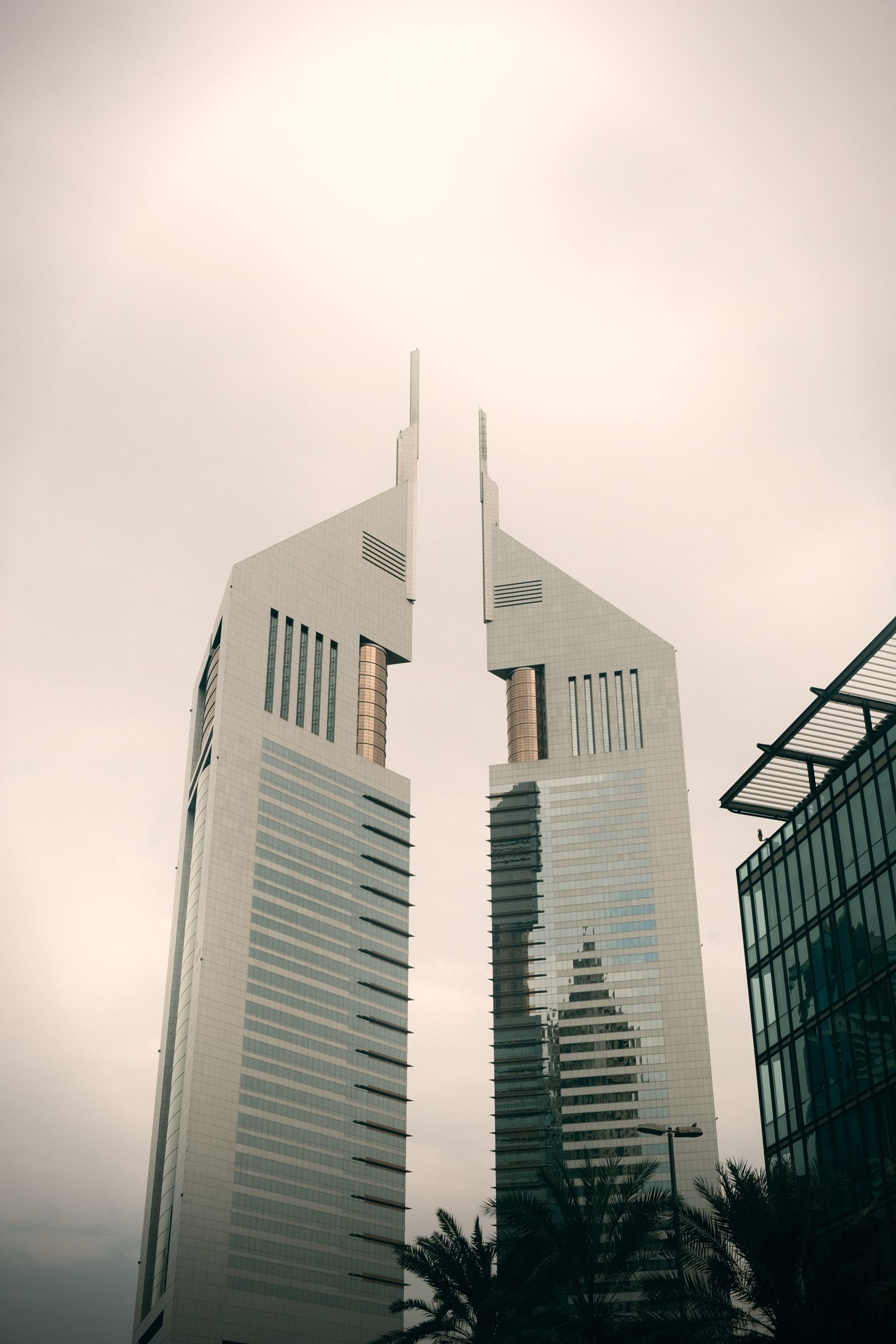
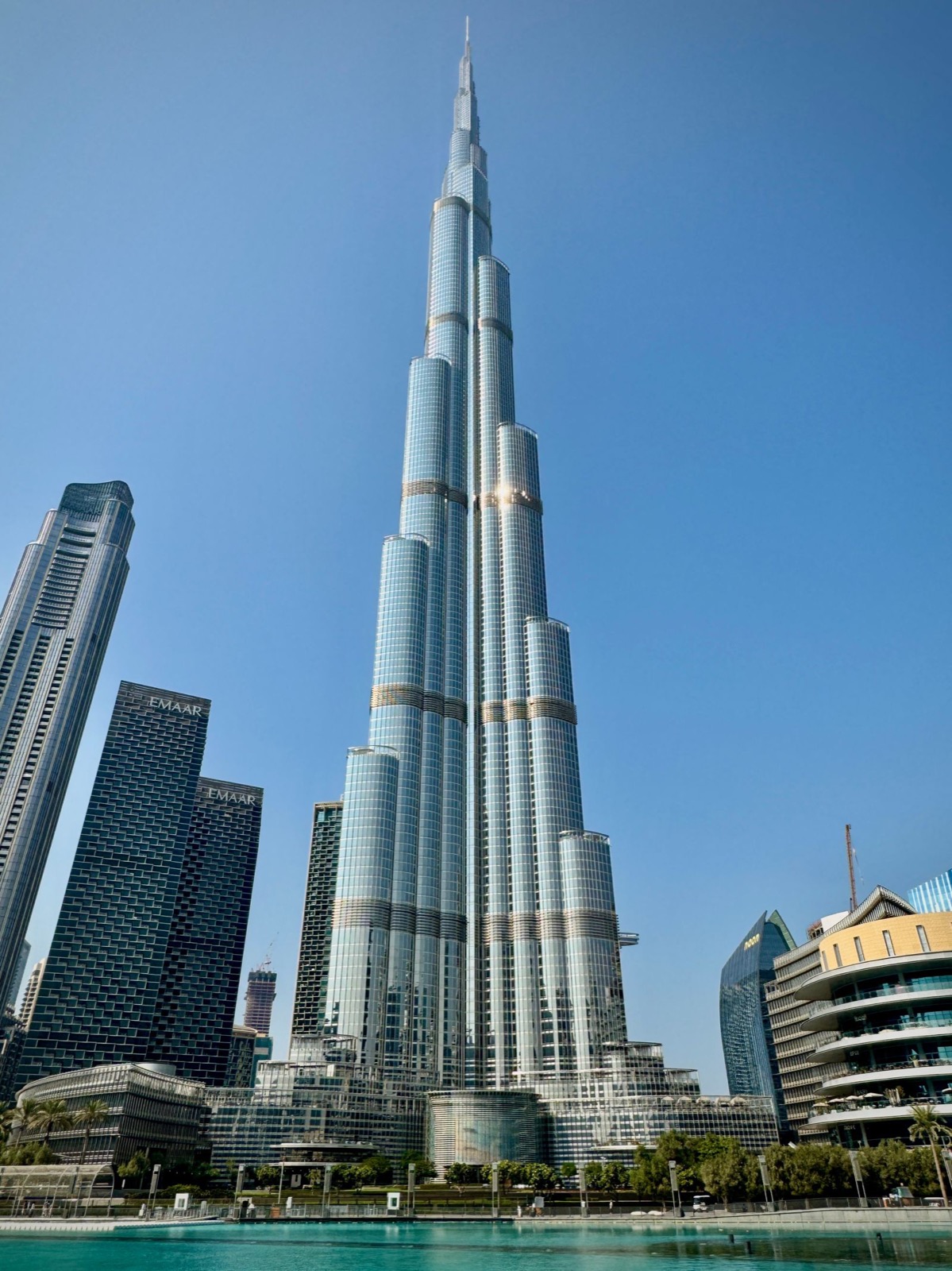
Dubai alone has dozens of free zones, and the comparison people usually reach for — "which one is cheapest" — is the wrong first question. DIFC, DMCC, and JAFZA aren't cheaper or more expensive versions of the same thing; they're built for genuinely different kinds of business, and registering in the wrong one means paying for regulatory weight you don't need, or missing infrastructure you do.
DIFC — built for regulated financial and professional services
The Dubai International Financial Centre operates under its own common law framework, with its own courts, separate from onshore UAE civil law — a structure international financial firms and legal practices specifically look for. Financial services businesses are regulated by the DFSA (Dubai Financial Services Authority), which adds real compliance weight but also real credibility with international clients and banks.
DIFC also runs its own employment framework: since February 2020, end-of-service benefits for DIFC employees are handled through DEWS (the DIFC Employee Workplace Savings scheme) rather than the standard UAE gratuity calculation used elsewhere — a detail that changes your payroll and HR setup, not just your licensing.
The tradeoff is cost and time. DIFC is a high-tier zone: office requirements, the regulatory approval process, and the address premium all sit above general free zones, and setup typically takes longer because of that regulatory review. It's the right fit for financial services, fintech, wealth management, and professional firms where the credibility is worth the cost — and a poor fit for a small trading or e-commerce business that doesn't need any of it.
DMCC — trading, commodities, and a large operating ecosystem
DMCC (Dubai Multi Commodities Centre) is built around commodities and gold trading, with a large, established ecosystem of trading businesses already operating there. It also offers multiple crypto licence options and has kept pace with evolving compliance requirements in that space. Within DMCC's Jumeirah Lakes Towers (JLT) area, freehold ownership of office units is available — a genuine asset for businesses planning to stay long-term rather than lease indefinitely.
JAFZA — logistics, warehousing, and import-export at scale
Jebel Ali Free Zone is the UAE's largest logistics and trade free zone, positioned at Jebel Ali Port. It's a fully bonded zone, meaning goods can sit there duty-free until they're actually released into the UAE market — a material advantage for import-export and warehousing operations that DIFC or DMCC simply aren't built around.
Lower-cost general free zones
Below the DIFC/DMCC/JAFZA tier sit a wider group of general-purpose free zones with a much lower barrier to entry on both cost and setup timeline. These suit service businesses, e-commerce, and lean startups that need a free zone licence and visa eligibility, but don't need sector-specific infrastructure, a premium address, or heavyweight regulation.
How to actually decide
The zone that fits is the one that matches your business activity, your visa requirements, and your banking relationships — not the one with the lowest headline setup fee. A fintech startup that registers in a general free zone to save money may struggle to open the banking relationships DIFC-registered peers get by default. A trading business that registers in DIFC for the address pays a regulatory premium it has no use for. Setup timeline generally follows the same pattern: DMCC and JAFZA move faster than DIFC, and general free zones move fastest of all, precisely because there's less regulatory review to complete.
DIFC isn't "the expensive option." It's the option built for businesses that need what only DIFC offers — and a cost if you don't.
We match the zone to the business, not the other way around
Business setup and visa processing run side by side, so the zone you register in actually fits your activity, banking needs, and visa plan — not just the lowest sticker price.
Book a consultationSources
Zone characteristics reflect publicly available information from DIFC, DMCC, and JAFZA. DIFC's DEWS employee savings scheme applies from 1 February 2020 onward. Confirm current licensing costs, activity eligibility, and regulatory requirements directly with each free zone authority before registering, as these are revised periodically.